17 Easy Zero Waste Swaps to Save You Money
Looking for some easy zero waste swaps that not only help to save the planet but can save you cash?
By making these simple switches from the disposable products you use every day you can reduce the amount of waste you throw away every week.

While reusable and washable alternatives may cost more at face value than disposables, because they are not single-use items you will get far more for your money and save cash in the long run.
And the best part is that there are now so many sustainable products on the market that can fit into your every day life.
Making these switches doesn’t have to be all at once. I’ve made zero waste swaps over the years gradually.
Here are some super easy zero waste switches you can make that will have an impact not only on the amount of waste you throw away but also on your budget!
While on their own these switches may save you just a few pounds a year, add them all up over time and you’re looking at a decent chunk of change.
Before we get to the tips, you may also like these handy frugal living tips to save you even more money and these tips for saving money when you’re struggling to hit your goal.
This post contains affiliate links.
The best zero waste swaps
These are my favourite zero waste switches you can make to save money.
There are lots of sustainable and reusable products out there, and once you start looking for them you will be amazed at how much they could save you and help you live a more eco-friendly life.
1. Washable face pads
Instead of using disposable face wipes or pads – which can cost as much as £3 a pack – swap them for washable face pads or cloths.

I purchased a set of natural bamboo cotton make-up remover pads a couple of years ago and they are still going strong!
At less than £10 for the set of 20 pads, I’ve saved enough to cover the cost of the reusable pads plus an additional £20 on wipes and disposable pads.
I simply use the washable pads with my make-up remover, then every couple of weeks I clean them in the wash bag that came with them in a normal 30C wash with some clothes. It’s so easy!
Buy washable face pads here.
Potential saving: £12-£30 a year
2. Washable period underwear
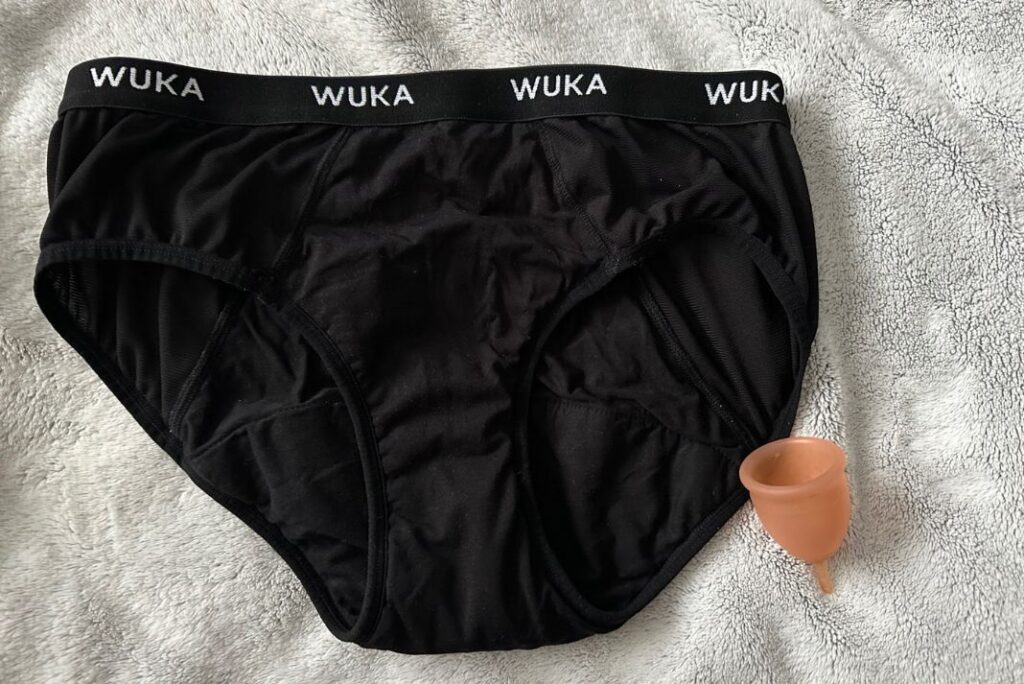
There are now so many choices when it comes to period pants – from different colours to a variety of styles and materials.
Period underwear replace disposable sanitary pads, but if you want you can use them in conjunction with tampons (or a menstrual cup, more on that shortly).
They cost from around £8 a pair, but can cost as much as £20 a pair, although you can often find deals on multipacks and high street brands are now bringing out more affordable ranges.
Period pants will last for years if you treat them right – and after they have reached the end of their life you can follow the manufacturers advice for how to reuse or recycle your underwear.
One of the best advantages of switching to reusable period products is that never again will you find yourself needing to rush to the shops to stock up on tampons and pads.
Brands I have enjoyed using include WUKA and ModiBodi, but the supermarkets and high street clothing stores now stock very affordable ranges of period underwear.
Potential saving: Around £30 a year
3. Menstrual cup
Switch your tampons for a menstrual cup and save yourself from having to bin over 250 tampons a year (based on using three tampons per day for six days each cycle).
A menstrual cup is made up soft silicone, rubber or latex.
They collect menstrual blood and then are removed and emptied every few hours. Manufacturers tend to suggest menstrual cups are boiled in water in order to sterilise them.
I have been using a menstrual cup for several years now. They definitely take some getting used to and are not as straightforward to insert as a tampon.
They are also messier to remove and rinse out (which is especially challenging in public toilets).
However once you do have the hang of them they are brilliant, much less prone to leaks than tampons and super convenient.
Menstrual cups tend to cost from around £15 to £20 and will last around two years.
With a pack of 16 tampons costing around £2.50, you’ll find that you will overall save money over the course of those two years.
Brands I have tried and loved include Saalt and Mooncup.
Potential savings: £30 to £35 a year
4. Metal straws
Many restaurants and takeaways are now ditching plastic straws for paper ones that can be recycled easier.
Even so, it’s much better to swap out the disposable straws for washable, reusable ones that will last for years.

Our set of metal straws have been so useful and mean we don’t need to buy plastic straws for the kids.
A set of steel straws cost less than £5 and are so easy to look after – we just wash ours in the dishwasher.
Potential savings: Only a few pounds a year but the environmental savings are worth it
5. Kitchen cloths
Swap your kitchen roll for washable bamboo cloths – or unpaper towels!
These are absorbent and you can even get sets that can be wrapped onto a roll, just like the paper versions.
Once you’ve used them, simply wash in your washing machine, hang out to dry and then reuse all over again.
A set of these reusable kitchen roll packs can last for years.
Potential savings: £30 to £50 a year
6. Shopping bags
Having sturdy reusable shopping bags instead of plastic supermarket bags is a great way to save cash on your grocery shop.
Supermarkets now charge from 10p per bag – in order to encourage consumers to ditch the plastic bags – and this can really add up over the course of a year.
Let’s say you use four 10p bags per shop once a week. That’s £20 a year.
I like to have a range of different sized reusable shopping bags, as larger ones are good for big shops and smaller fabric ones are good for quick shops to pick up a few essentials.
In order to stop myself from forgetting the bags I always keep some in the boot of my car and small fold-up bags in my handbag just in case.
Potential savings: £20 a year
7. Beeswax wrap
Switch cling film and foil for beeswax wrap when it comes to wrapping up sandwiches and leftovers you put in the fridge.
Beeswax wrap packs tend to come in different sizes and you use your hands to mould the wrap around food to surround it as needed.
One set of wrap costs less than £10.
Potential savings: £10 to £30 a year
8. Reusable water bottle
Instead of buying drinks and bottled water when out and about, remember to fill up a reusable water bottle with your soft drink of choice at home.
They cost a few pounds to buy but can save you £££ on bottled drinks. And you won’t be throwing away all those empty plastic bottles.
Potential savings: £100 a year
9. Reusable coffee cup
Just like with the reusable bottle, you can ditch takeout paper cups by getting your coffee to go from home in a insulated cup.
You’ll save money on takeout coffee – which can cost around £2.50 each and adds up to over £200 a year if you buy one every working day.
Potential saving: £200+ a year if you get takeout coffee daily
10. Reusable sandwich bags
Plastic disposable sandwich bags are convenient for packaging up your sandwiches but create daily waste.
Reusable sandwich bags are leakproof and can be used for all sorts of foods you may want to store in the fridge or freezer, or snacks you want to take to work or school.
Potential saving: Minimal but means you throw away less plastic
11. Dryer balls
Dryer balls can replace dryer sheets, saving you money on buying new ones regularly, and they can reduce the amount of time it takes to dry your laundry. So that saves you money on energy bills.
They can reduce drying time by 25%, which is well worth trying.
Dryer balls work by preventing laundry from clumping together in the dryer, which can also help to make your laundry fluffier. This means you can reduce your use of fabric softener as well!
Plus they are extremely cost effective to buy as they last for many many years and thousands of loads.
Potential savings: A few pounds a year but extremely convenient and less waste
12. Keep empty jars and containers
It’s much easier to keep clutter contained in little boxes and containers. Instead of buying brand new ones for storing items, reuse empty jars and containers that you bought with food or other items in from the supermarket.
Some examples we’ve done in our house include using old jars to keep small screws and nails, putting rice and pasta in old jars, and putting the kids’ toys in empty chocolate tins.
Plastic storage boxes can be really expensive to buy new, and this way you can reuse containers that you otherwise would have binned.
Potential savings: £50+ a year
13. Bamboo fabric wipes
If you have a baby or small kids then you’ll know that you get through dozens of wipes a week – probably even a couple of packs.
I no longer use baby wipes for the nappy changes – now that those days are behind us – but I was using them to mop up the odd spillage and wipe the children’s faces.
You can switch disposable baby wipes for bamboo cloths. Moisten them so that they do the same job as a disposable wipe, and then wash when you’re done.
Potential saving: £50 a year
14. Library books instead of brand new
Stop buying brand new books, and instead take advantage of the huge selection of books available at your local library for free.
As long as you don’t return your books late, these won’t cost you a penny.
It will also save some space on your shelves too! If you are an avid bookworm then this will really save you a lot of money over the course of a year.
Potential saving: £200+ a year
15. Homemade cleaners
There are now so many different types of household cleaners geared up for different areas of the house and tasks that your cleaning cupboard could be overflowing with them.
But you can make your own multi-purpose household cleaner, using a few natural ingredients to make something that will cut through grease and dirt.
Vinegar, water, lemon, and bicarbonate of soda are all great natural ingredients to use to clean your home.
For a basic all-purpose cleaner simply:
Mix half a cup of distilled white vinegar to 2 cups of water.
Add a few drops of an essential oil – such as lavender – and a squeeze of lemon so that it smells good.
Spray onto surface and wipe away with a damp cloth. You can use this spray to clean windows, kitchen surfaces, bathroom glass screen doors and floors.
Check out some more tips for making homemade cleaners here.
Potential saving: £20 to £50 a year
16. Second-hand clothes
Instead of buying brand new items or getting sucked into fast fashion items, go for second-hand clothes that are timeless.
Some retailers sell their own preloved clothes that are either returns, last season or still in great condition.
You could also check out charity shops or organise a clothes swap with friends who are a similar size to you so that you all refresh your wardrobes.
Potential saving: £100s a year
17. Repair instead of throwing out
Rather than ditching clothes, furniture or other items, have a go at fixing them yourself instead.
It’s such a shame that kids aren’t taught how to sew at school, because it’s so valuable being able to sew on a button or patch up a small hole in fabric!
If you’re not confident at sewing, then check out YouTube tutorials on fixing the particular wear and tear issues you have.
When it comes to furniture then you can often refresh an old and tired piece simply by giving it a coat of paint and/or replacing the drawer handles.
Potential saving: £100s a year
Extra zero waste switches to save ££££
Here are some bonus eco-friendly swaps you can make that will also save you money:
- Switch disposable nappies for cloth nappies. You can read up more about cloth nappies vs disposable nappies here.
- Switch parchment paper and foil for silicone baking mats.
- Swap paper cupcake liners for reusable cupcake cases.
- Swap new dishcloths for cut up pieces of old cloth or t-shirt.
- Swap paper napkins for cloth napkins.